
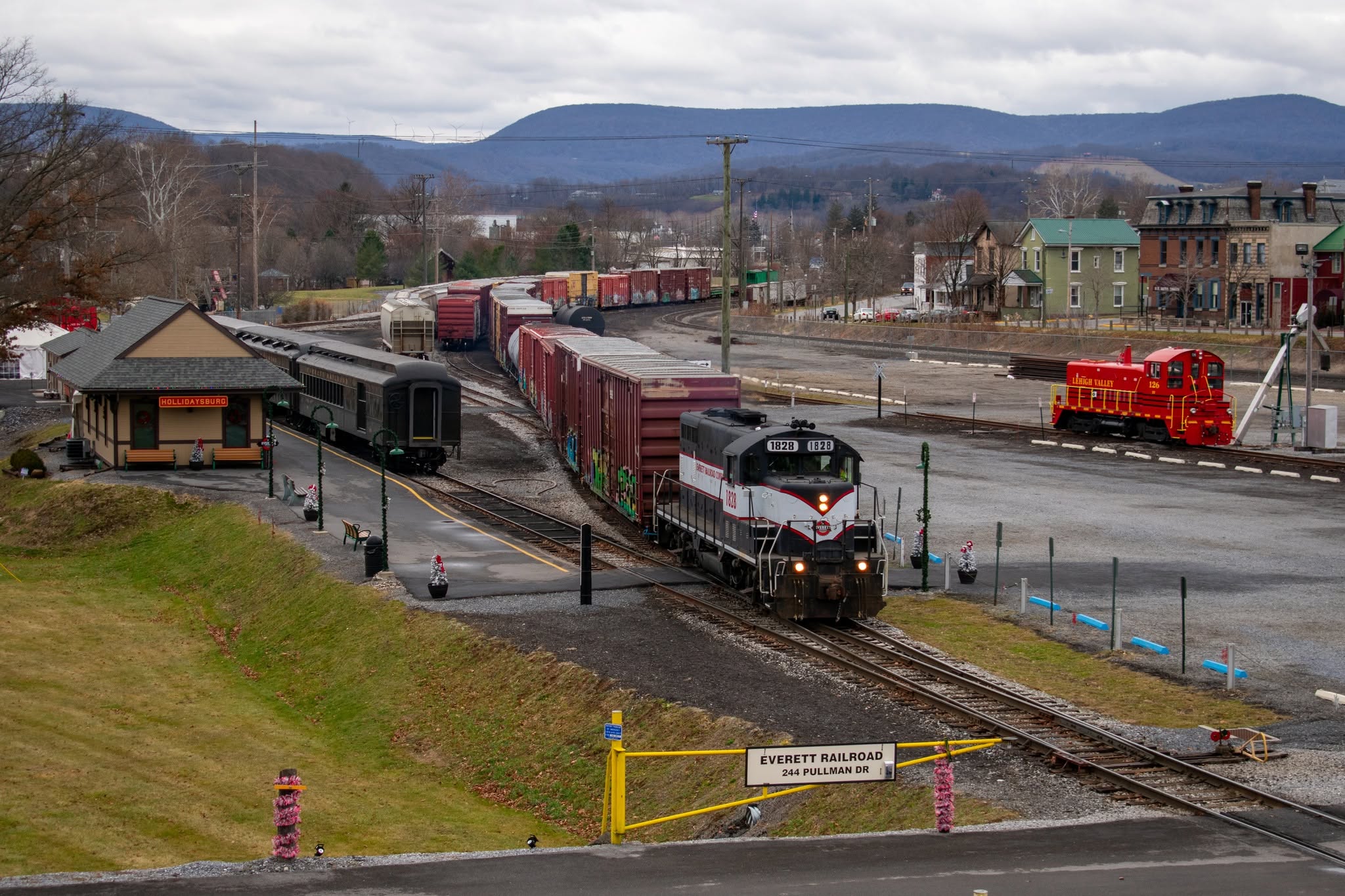
Tourist trains on freight railroads can create new revenue opportunities and strengthen connections with the communities they serve.
At the 2026 ASLRRA Fall Super Regional Meeting, FMW Solutions Director of Operations Chris Homco moderated a panel exploring three approaches to excursion service — and the financial, safety, and operational questions behind each.
“Tourist and Excursion Trains: A Freight Railroad Perspective” brought together Alan Maples, President of Everett Railroad; David Bevins, Vice President of Operations at Patriot Rail; and Eric Betke, President of Finger Lakes Railway. Their experiences illustrated three distinct approaches: building an excursion operation, acquiring and rebuilding one, and transitioning service to a third-party partner.
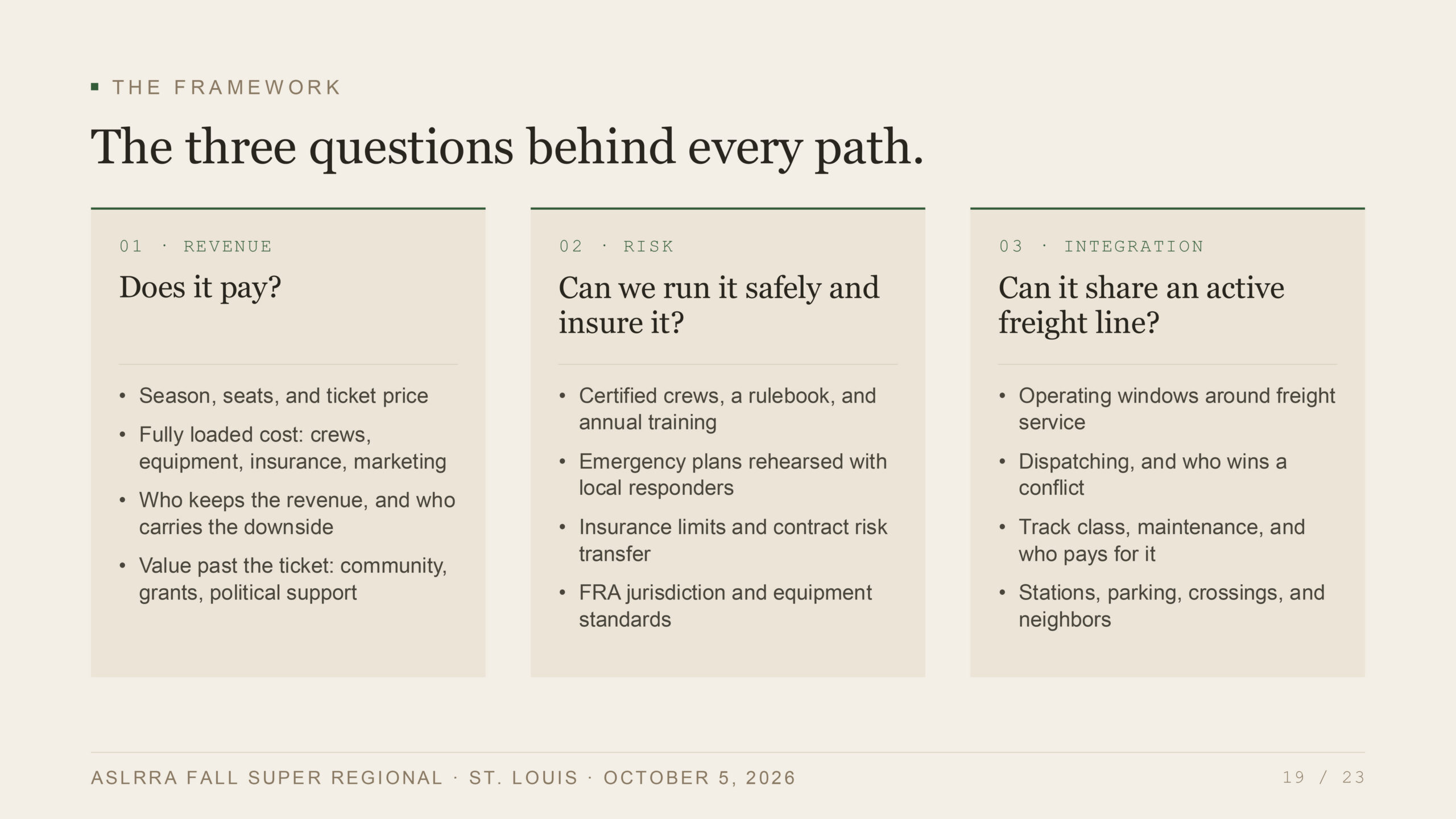
The financial assessment must account for the full cost of service and establish who receives the revenue and bears the risk. Safety planning must address crew qualifications, training, emergency response, insurance, and applicable regulatory requirements. Integration requires clear decisions about operating schedules, dispatching priorities, maintenance responsibilities, and passenger facilities.
The framework also recognizes value beyond ticket sales, including stronger community relationships and opportunities for grant funding and public support.
Three Paths to Excursion Service
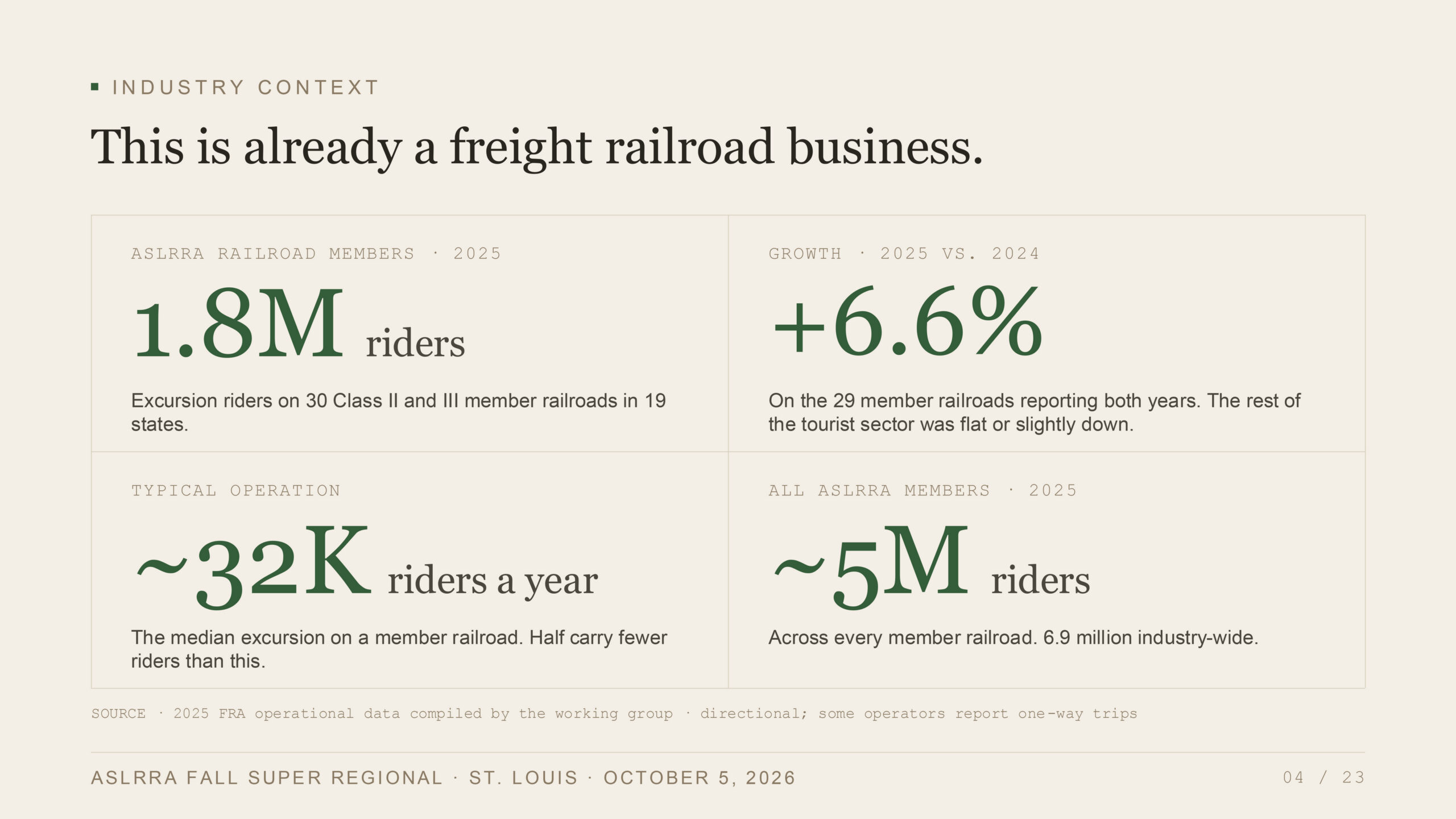
For Everett Railroad, passenger excursions have helped diversify revenue as a major freight market declined. Between 2015 and 2025, the railroad’s paper-industry cars handled fell 73%, while excursions grew from 8% to 43% of gross revenue.
Maples outlined both the benefits and the responsibilities of that transition. Excursions can provide cash income and share costs with freight operations, but they require regular risk assessment, complete cost accounting, and careful attention to the customer experience.
Patriot Rail’s experience began with its 2015 acquisition of Georgia Northeastern, which included Blue Ridge Scenic Railway. Bevins described how the company developed the inherited operation through standardized safety practices, equipment and facility improvements, and offerings tailored to different passenger preferences.
Finger Lakes Railway demonstrated another option. After selling its coach fleet and ending its own excursion service in 2024, the railroad hosted a third-party operator beginning in 2025.
That operator carried more than 11,000 riders during its first summer season, illustrating how passenger service can continue when the host railroad steps back from directly operating it.
CASE STUDY: HOW TO START A TOURIST RAILROAD
 The Business Questions Behind Every Approach
Despite their different paths, the three examples shared a common framework: Does the service pay? Can it operate safely and be insured? Can it coexist with freight operations?
Answering those questions requires more than projecting ticket sales. Railroads must account for crews, equipment, insurance, marketing, maintenance, and other costs. They must also establish clear operating rules, training requirements, emergency plans, and contractual responsibilities.
Integrating passenger excursions into an active freight line adds another layer of coordination. Operating windows, dispatching priorities, shared equipment and infrastructure, and maintenance responsibilities all affect whether the arrangement can succeed.
The presentation’s conclusion was practical: excursion service can be a meaningful business opportunity, but the operating model must fit the railroad’s resources and objectives.
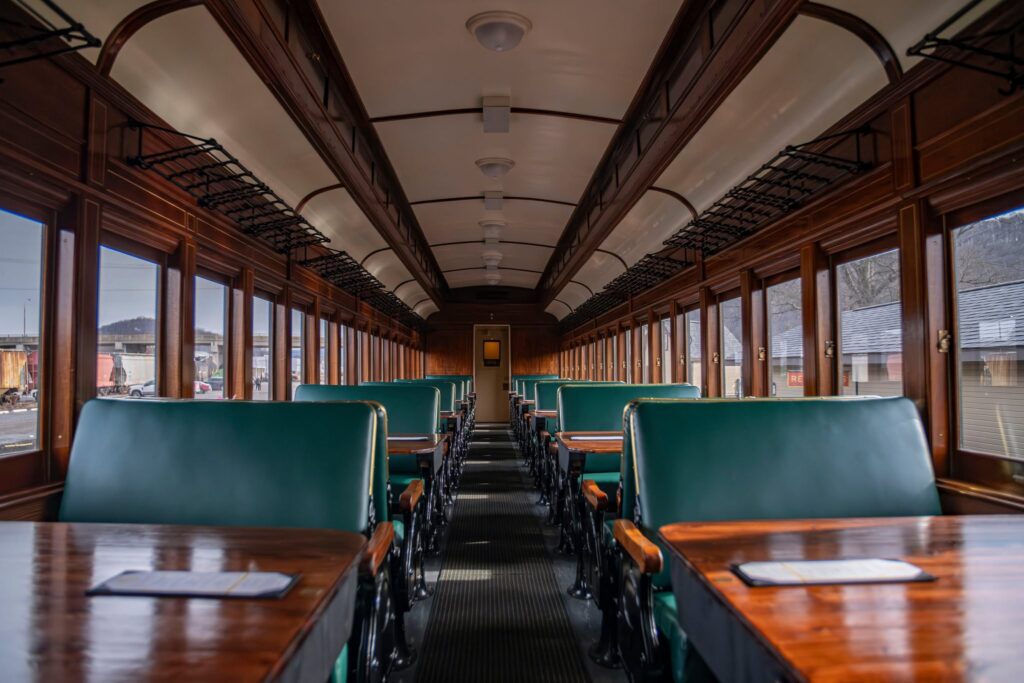
Connecting the Railroad with the Public
These operations also play a public-facing role that traditional freight hauling rarely provides in the same direct way.
Passenger excursions invite people to experience a railroad firsthand. A family outing or a trip through a historic rail corridor can build a personal connection to an industry whose everyday contributions often happen outside public view.
Everett Railroad’s presentation identified a positive public image and stronger relationships with shippers, community leaders, and political leaders among the benefits of excursion service. Those relationships extend the value of an operation beyond the ticket itself.
Serving the public also brings distinct responsibilities. Facilities, housekeeping, hospitality, and attention to detail become part of the railroad’s daily work. Safe, reliable operations must be supported by a customer experience that gives visitors a reason to return.
How FMW Solutions Can Help Plan Excursion Service
Turning an excursion concept into a sustainable operation requires a clear business case, practical operating plans, and defined responsibilities. FMW Solutions can help freight railroads, heritage organizations, and prospective operating partners evaluate those needs and develop an approach suited to their goals.
Drawing on experience across railroad consulting, compliance, mechanical services, fundraising, and strategic planning, FMW can help assess operating models, identify equipment and infrastructure needs, develop safety documentation and operating procedures, and explore funding opportunities. That work connects the financial case with the day-to-day requirements of running passenger trains alongside freight service.
Whether an organization is considering its first excursion train, improving an existing operation, or exploring a partnership, FMW can help turn central questions, including revenue, safety, and integration. into an actionable plan.
Contact FMW Solutions to discuss your railroad’s excursion service goals and the steps needed to move them forward.
ABOUT THE AUTHOR
Chris Homco is Director of Operations at FMW Solutions, where he oversees project managers and coordinates initiatives across the firm’s consulting, compliance, preservation, mechanical, fundraising, and strategic planning programs.
His experience includes helping launch tourist railroad operations, developing FRA compliance and safety programs, and supporting grant writing and funding efforts that have secured more than $47 million for railroad infrastructure, preservation, and development projects. He previously held leadership roles with the Nickel Plate Heritage Railroad and Fort Wayne Railroad Historical Society, where he remains an active volunteer and leader.
Chris holds FRA Part 242 Conductor certification and serves on several industry committees, including ASLRRA’s Heritage and Tourist Working Group. He is committed to building sustainable railroad programs.